
Innovative Drone Irrigation Technology Revolutionizing Agriculture
By:Admin
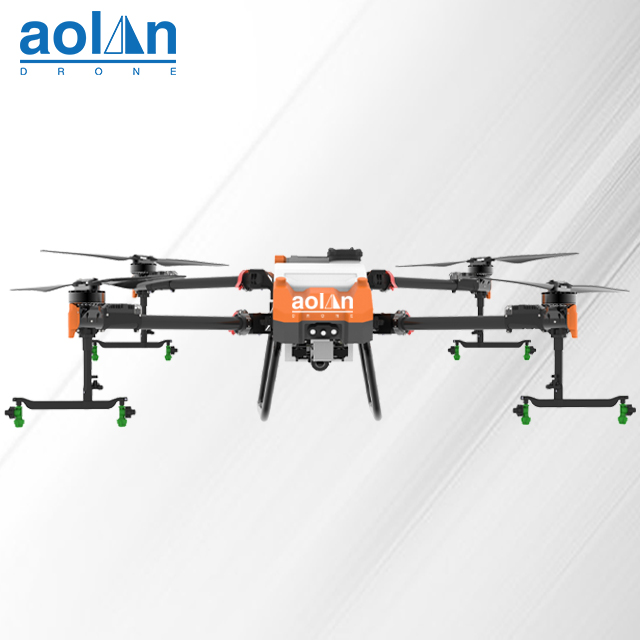
In recent years, agriculture has witnessed a technological revolution that promises to enhance productivity, conserve resources, and bolster sustainability. Among these innovations, drone irrigation technology has emerged as a game-changer, offering precise, efficient, and environmentally friendly solutions to farmers worldwide. This breakthrough harnesses the power of unmanned aerial vehicles (UAVs) to optimize water usage, monitor crop health, and improve overall farm management.
### The Dawn of Drone Irrigation in Modern Agriculture
Traditional irrigation methods often involve significant water wastage due to overwatering or inefficient delivery systems. In areas facing water scarcity, this challenge is particularly critical, as agriculture consumes nearly 70% of global freshwater resources. Drone irrigation technology directly addresses these concerns by enabling targeted watering based on real-time data, thus conserving water and enhancing crop yield.
Utilizing advanced sensors and imaging technology, drones can assess the moisture levels, soil condition, and growth stages of crops. This data allows farmers to apply water precisely where and when it is needed, avoiding irrigation in areas that do not require it. Consequently, this approach reduces water consumption, minimizes runoff, and helps maintain soil health.
### Key Features and Benefits of Drone Irrigation
Drone irrigation systems integrate several cutting-edge features that make them indispensable for modern farmers:
- **Precision Watering**: By using multispectral cameras and soil moisture sensors, drones identify dry patches and deliver exact quantities of water, reducing water waste.
- **Real-Time Monitoring**: Continuous aerial surveillance provides instant feedback on crop status, revealing signs of disease, pest infestation, or nutrient deficiencies early on.
- **Efficiency**: Drones cover large fields quickly and can be programmed to operate autonomously, saving labor costs and time.
- **Environmental Sustainability**: Reduced water usage and targeted pesticide application lead to decreased environmental impact, promoting healthier ecosystems.
- **Adaptability**: The technology is suitable for various crops and terrain types, from expansive flatlands to hilly vineyards.
### A Company Leading the Way in Drone Irrigation
A pioneering company has been at the forefront of developing and implementing drone irrigation solutions that cater to the needs of contemporary agriculture. Established with a vision to modernize farming through innovative technology, the company combines expertise in UAV hardware, software analytics, and agricultural science.
The company offers a comprehensive suite of services, including drone deployment, data analytics, and customized irrigation plans tailored to individual farms. Their user-friendly platform provides farmers with actionable insights, empowering them to make informed decisions that maximize productivity while preserving natural resources.
By collaborating closely with agricultural researchers and local farming communities, the company ensures that their technology remains relevant and adaptable to diverse environmental conditions. Their commitment to sustainability and innovation has earned them recognition in multiple markets, helping to drive the adoption of smart farming practices globally.
### Real-World Impact: Case Studies and Success Stories
Farmers who have integrated drone irrigation technology report transformative results. In regions prone to drought, users have witnessed up to a 40% reduction in water usage without compromising crop yields. The precision watering approach has led to healthier plant growth and earlier detection of potential issues, which translates into reduced pesticide costs and higher quality harvests.
Moreover, the data collected by drones provides valuable insights into soil health and crop performance trends over time, enabling farmers to refine their practices season after season. Such data-driven agriculture not only boosts economic returns but also contributes to food security by stabilizing output in the face of climate variability.
### Future Prospects and Challenges
As drone technology continues to evolve, the potential applications in agriculture are expanding. Integration with artificial intelligence (AI) and machine learning promises even smarter irrigation strategies, predictive analytics, and automated farm management. The development of more affordable and durable drones will further lower barriers to adoption for small- and medium-scale farmers.
However, challenges remain. Regulatory frameworks governing drone flights vary across regions, and farmers may require training to fully leverage this technology. Data privacy and security are also concerns that must be addressed to build trust and ensure ethical use.
### Conclusion
Drone irrigation technology represents a significant advancement in the quest for sustainable and efficient agriculture. By enabling precise water management, reducing environmental impact, and enhancing productivity, it offers a viable solution to some of the sector’s most pressing challenges.
With companies driving innovation and supporting farmers through tailored services, the integration of drone irrigation is set to become mainstream. As the world faces increasing demands on food production and natural resources, embracing such smart farming technologies will be crucial in securing a resilient agricultural future.