
Drone Herbicide Spraying: Efficient and Precise Agricultural Solution
By:Admin
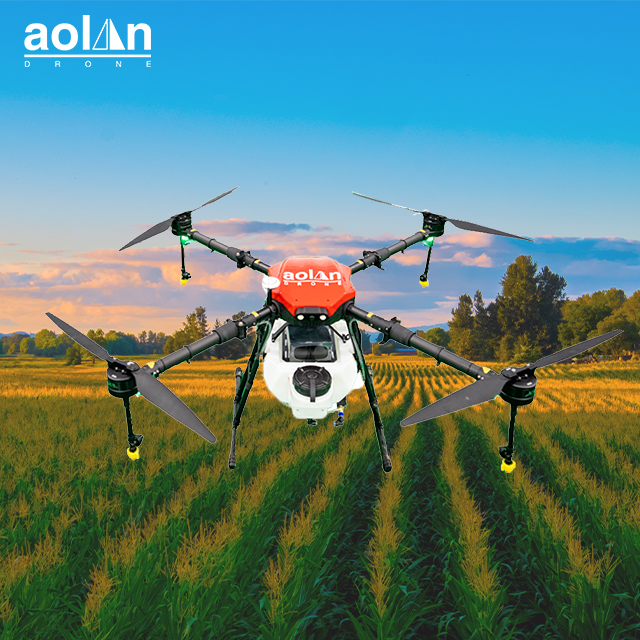
In a groundbreaking development for modern agriculture, drone-based herbicide spraying technology is transforming the way farmers manage weeds, improve crop health, and enhance overall productivity. This advanced agricultural practice leverages the precision and efficiency of unmanned aerial vehicles (UAVs) to apply herbicides in targeted areas, reducing chemical usage and environmental impact while maintaining crop yields.
**The Rise of Drone Herbicide Spraying**
Traditional herbicide application methods, such as manual spraying or tractor-mounted equipment, often encounter challenges including uneven coverage, soil compaction, and high labor costs. With the advent of drone herbicide spraying, these issues are effectively addressed. The drones are equipped with GPS-guided navigation systems and sophisticated sensors that ensure accurate herbicide delivery exactly where it is needed.
This precision agriculture approach minimizes herbicide wastage and prevents over-application, which can damage crops or lead to resistance in weed populations. Additionally, drones can operate in terrain that is difficult for conventional machinery to access, such as hilly or swampy areas, thus broadening the scope of manageable farmland.
**Environmental and Economic Benefits**
One of the most significant advantages of using drones for herbicide spraying is the positive environmental impact. By applying herbicides with pinpoint accuracy, the overall quantity of chemicals used is significantly reduced. This not only lowers the risk of chemical runoff into water bodies but also helps maintain soil health and biodiversity.
Economically, farmers benefit from reduced labor costs and faster application times. Drones can cover large fields quickly, often completing spraying tasks in a fraction of the time required by manual or ground-based methods. This speed is especially valuable during critical periods when timely weed control is essential to prevent crop competition and yield loss.
**Company Profile**
[Company Introduction: Please insert company details here]
As a leader in agricultural technology, [Company] has been at the forefront of integrating drone technology into farming practices. The company’s commitment to innovation and sustainability is reflected in its development of state-of-the-art drone systems designed specifically for agricultural applications, including herbicide spraying.
[Company]'s drones feature advanced avionics, high-resolution cameras, and multispectral sensors that not only facilitate precise herbicide application but also enable farmers to monitor crop health in real time. Through the use of artificial intelligence and machine learning algorithms, these drones analyze data collected during flights to identify weed locations and density, ensuring that herbicide spraying is optimized for maximum effectiveness.
Furthermore, [Company] provides comprehensive support and training to farmers, helping them to adopt this technology seamlessly and reap its full benefits. The company’s user-friendly software platform allows for easy mission planning, flight control, and data management, empowering farmers to make informed decisions and enhance overall farm management.
**Successful Implementation and Future Prospects**
Numerous pilot projects and commercial deployments have demonstrated the effectiveness of drone herbicide spraying. Farmers report notable improvements in weed control, increased crop yields, and significant reductions in chemical use. The technology is proving especially beneficial in regions where labor shortages or difficult terrain have hindered conventional spraying methods.
Looking ahead, the integration of drone herbicide spraying with other digital farming tools promises to usher in a new era of precision agriculture. Combining UAV applications with soil sensors, weather data, and crop modeling systems will enable farmers to adopt holistic management practices tailored to their unique land conditions.
Moreover, ongoing advancements in drone payload capacity, flight endurance, and autonomous navigation are expected to further enhance the capabilities and adoption rate of UAV-based herbicide spraying. As regulatory frameworks evolve to support unmanned aerial operations in agriculture, accessibility and scalability will continue to improve, making this innovative technology increasingly mainstream.
**Conclusion**
Drone herbicide spraying represents a pivotal shift in agricultural practices, offering a sustainable, cost-effective, and highly precise solution to weed management challenges. By embracing this technology, farmers can achieve better crop health and productivity while reducing the environmental footprint of their operations.
With continuous innovation and dedicated support from industry leaders like [Company], the future of agriculture is set to become smarter, greener, and more efficient—empowering farmers worldwide to meet the growing food demand sustainably.
Company News & Blog
Drones Revolutionize Crop Spraying Techniques
Crop Spraying With Drones: Revolutionizing AgricultureIn recent years, the agriculture industry has seen a significant shift towards the use of technology to improve efficiency and productivity. One of the most recent advancements in this field is the use of drones for crop spraying. This innovative technology has the potential to revolutionize the way farmers manage their fields and protect their crops.One company at the forefront of this technology is {}. They have developed a cutting-edge drone platform specifically designed for agricultural use. These drones are equipped with advanced sensors and software that allow for precise and targeted spraying of crops. This not only reduces the amount of chemicals used, but also ensures that the right amount is applied to each specific area of the field.The use of drones for crop spraying offers a number of advantages over traditional methods. The most obvious benefit is the ability to cover large areas of land in a much shorter amount of time. This is especially crucial during critical stages of crop growth when time is of the essence. Additionally, drones can access hard-to-reach areas of a field that may be difficult or dangerous for a human operator to reach.Another key advantage of using drones for crop spraying is the reduction of chemical drift. When pesticides or fertilizers are applied using traditional methods such as ground-based sprayers or airplanes, there is a risk of the chemicals drifting away from the intended target and affecting neighboring crops, water sources, and wildlife. Drones, on the other hand, can apply chemicals with a high level of precision, minimizing the risk of drift and helping to protect the environment.Furthermore, the use of drones for crop spraying can also lead to cost savings for farmers. By using drones, farmers can reduce the amount of chemicals needed for spraying, as well as the fuel and labor costs associated with traditional spraying methods. This can result in significant savings and improved profitability for farmers, especially at a time when the industry is facing increasing economic pressures.In addition to these benefits, the use of drones for crop spraying also has the potential to improve safety for agricultural workers. Traditional crop spraying methods often require workers to be in close proximity to chemicals and machinery, which can pose health and safety risks. Using drones eliminates the need for workers to be in the direct line of contact with potentially harmful chemicals, thus reducing the risk of exposure and accidents.The potential of drone technology in agriculture is not lost on the team at {}. They have been working tirelessly to develop and refine their drone platform to meet the specific needs of farmers. Their drones are equipped with state-of-the-art navigation and imaging systems, as well as advanced artificial intelligence algorithms that enable them to autonomously navigate through fields and apply the right amount of chemicals with precision.Moreover, {} is committed to providing farmers with comprehensive training and support to ensure the successful integration of drone technology into their operations. They offer tailored solutions for different types of crops, terrain, and field sizes, and work closely with farmers to understand their unique needs and challenges.The future of agriculture is clearly being shaped by technological advancements, and the use of drones for crop spraying is a prime example of how innovation can drive the industry forward. With the continued development and adoption of this technology, farmers have the opportunity to improve efficiency, reduce costs, minimize environmental impact, and ultimately increase their yields.In conclusion, the use of drones for crop spraying has the potential to revolutionize the way farmers manage and protect their crops. With the innovative drone platform developed by {}, farmers can benefit from increased efficiency, reduced costs, and improved safety. As the agriculture industry continues to evolve, it is clear that drone technology will play a crucial role in shaping its future.
Innovative Drone Irrigation Technology Revolutionizing Agriculture
**Revolutionizing Agriculture: The Rise of Drone Irrigation Technology**In recent years, agriculture has witnessed a technological revolution that promises to enhance productivity, conserve resources, and bolster sustainability. Among these innovations, drone irrigation technology has emerged as a game-changer, offering precise, efficient, and environmentally friendly solutions to farmers worldwide. This breakthrough harnesses the power of unmanned aerial vehicles (UAVs) to optimize water usage, monitor crop health, and improve overall farm management.### The Dawn of Drone Irrigation in Modern AgricultureTraditional irrigation methods often involve significant water wastage due to overwatering or inefficient delivery systems. In areas facing water scarcity, this challenge is particularly critical, as agriculture consumes nearly 70% of global freshwater resources. Drone irrigation technology directly addresses these concerns by enabling targeted watering based on real-time data, thus conserving water and enhancing crop yield.Utilizing advanced sensors and imaging technology, drones can assess the moisture levels, soil condition, and growth stages of crops. This data allows farmers to apply water precisely where and when it is needed, avoiding irrigation in areas that do not require it. Consequently, this approach reduces water consumption, minimizes runoff, and helps maintain soil health.### Key Features and Benefits of Drone IrrigationDrone irrigation systems integrate several cutting-edge features that make them indispensable for modern farmers:- **Precision Watering**: By using multispectral cameras and soil moisture sensors, drones identify dry patches and deliver exact quantities of water, reducing water waste.- **Real-Time Monitoring**: Continuous aerial surveillance provides instant feedback on crop status, revealing signs of disease, pest infestation, or nutrient deficiencies early on.- **Efficiency**: Drones cover large fields quickly and can be programmed to operate autonomously, saving labor costs and time.- **Environmental Sustainability**: Reduced water usage and targeted pesticide application lead to decreased environmental impact, promoting healthier ecosystems.- **Adaptability**: The technology is suitable for various crops and terrain types, from expansive flatlands to hilly vineyards.### A Company Leading the Way in Drone IrrigationA pioneering company has been at the forefront of developing and implementing drone irrigation solutions that cater to the needs of contemporary agriculture. Established with a vision to modernize farming through innovative technology, the company combines expertise in UAV hardware, software analytics, and agricultural science.The company offers a comprehensive suite of services, including drone deployment, data analytics, and customized irrigation plans tailored to individual farms. Their user-friendly platform provides farmers with actionable insights, empowering them to make informed decisions that maximize productivity while preserving natural resources.By collaborating closely with agricultural researchers and local farming communities, the company ensures that their technology remains relevant and adaptable to diverse environmental conditions. Their commitment to sustainability and innovation has earned them recognition in multiple markets, helping to drive the adoption of smart farming practices globally.### Real-World Impact: Case Studies and Success StoriesFarmers who have integrated drone irrigation technology report transformative results. In regions prone to drought, users have witnessed up to a 40% reduction in water usage without compromising crop yields. The precision watering approach has led to healthier plant growth and earlier detection of potential issues, which translates into reduced pesticide costs and higher quality harvests.Moreover, the data collected by drones provides valuable insights into soil health and crop performance trends over time, enabling farmers to refine their practices season after season. Such data-driven agriculture not only boosts economic returns but also contributes to food security by stabilizing output in the face of climate variability.### Future Prospects and ChallengesAs drone technology continues to evolve, the potential applications in agriculture are expanding. Integration with artificial intelligence (AI) and machine learning promises even smarter irrigation strategies, predictive analytics, and automated farm management. The development of more affordable and durable drones will further lower barriers to adoption for small- and medium-scale farmers.However, challenges remain. Regulatory frameworks governing drone flights vary across regions, and farmers may require training to fully leverage this technology. Data privacy and security are also concerns that must be addressed to build trust and ensure ethical use.### ConclusionDrone irrigation technology represents a significant advancement in the quest for sustainable and efficient agriculture. By enabling precise water management, reducing environmental impact, and enhancing productivity, it offers a viable solution to some of the sector’s most pressing challenges.With companies driving innovation and supporting farmers through tailored services, the integration of drone irrigation is set to become mainstream. As the world faces increasing demands on food production and natural resources, embracing such smart farming technologies will be crucial in securing a resilient agricultural future.
Enhancing Precision and Efficiency in Agriculture: Exploring the Potential of Agricultural Drones
Title: Agricultural Drones Revolutionizing Farming Practices: Advancements, Applications, and BenefitsIntroduction:As the global population continues to expand, ensuring food security and efficient farming practices become increasingly crucial. In this pursuit, the utilization of agricultural drones has gained significant traction in recent years. These unmanned aerial vehicles (UAVs) equipped with advanced technology offer unprecedented opportunities to farmers, making farming smarter, more efficient, and sustainable. In this article, we will explore the advancements, applications, and benefits of agricultural drones in transforming the agrarian landscape.Advancements in Agricultural Drones:Over the years, agricultural drones have evolved beyond simple aerial vehicles into highly sophisticated systems capable of collecting and analyzing data to optimize agricultural processes. Today's drones integrate cutting-edge technologies such as GPS, hyperspectral imaging, and machine learning algorithms.1. GPS System:The integration of GPS technology ensures precise navigation and autonomous flight. This feature enables agricultural drones to efficiently cover large areas of farmland accurately, collecting valuable data along the way.2. Hyperspectral Imaging:Equipped with advanced sensors, agricultural drones capture high-resolution images using hyperspectral imaging. This technology allows the drones to detect specific crop conditions, diseases, and nutrient deficiencies. By analyzing these images, farmers can identify problem areas, enabling targeted interventions.3. Machine Learning Algorithms:Utilizing machine learning algorithms, agricultural drones can process the vast amount of data collected during their flights. This capability helps in identifying patterns, predicting crop yields, and providing actionable insights to optimize farming practices.Applications of Agricultural Drones:The applications of agricultural drones span across various stages of farming, providing valuable assistance to farmers in streamlining their operations and maximizing yields.1. Crop Monitoring:Agricultural drones play a vital role in crop monitoring, allowing farmers to assess crop health, detect pest infestations, and identify potential water stress. By capturing aerial images and analyzing them, farmers can make informed decisions regarding irrigation, pesticide application, and nutrient management.2. Precision Agriculture:With the help of agricultural drones, farmers can implement precision agriculture techniques accurately. Drones collect data on soil composition, moisture levels, and topography, providing farmers with detailed insights to optimize seed planting, fertilization, and irrigation strategies. This targeted approach saves resources, minimizes environmental impact, and maximizes crop productivity.3. Crop Spraying:A major breakthrough in agriculture, drone-enabled crop spraying significantly reduces manual labor, time, and chemical usage. By precisely spraying fertilizers, pesticides, and herbicides, drones ensure that crops receive the required treatment, preventing over-spraying and minimizing environmental contamination.Benefits of Agricultural Drones:The increasing adoption of agricultural drones is accompanied by a multitude of benefits that revolutionize farming practices worldwide.1. Enhanced Efficiency:Agricultural drones enable farmers to monitor vast areas quickly and accurately, reducing the time and effort required for manual inspections. By automating these tasks, farmers can focus on decision-making and implementing targeted interventions.2. Cost Savings:By implementing precision agriculture techniques facilitated by drones, farmers can optimize resource allocation, minimize wastage, and reduce input costs. Additionally, drones eliminate the need for human personnel for certain tasks, further reducing labor costs.3. Sustainability and Environmental Impact:With precise data collection and targeted interventions, agricultural drones promote sustainable farming practices. By using only the necessary amount of resources, farmers can minimize runoff, chemical contamination, and soil erosion. This minimizes the agricultural sector's impact on ecosystems, ensuring long-term environmental sustainability.4. Increased Yields:Agricultural drones provide accurate data insights, enabling farmers to identify crop stress factors early on and implement appropriate interventions. By taking prompt action, farmers can prevent crop losses, maximize yields, and enhance overall farm productivity.Conclusion:The adoption of agricultural drones has revolutionized the farming industry by bringing significant efficiencies, cost savings, and sustainability. Advancements in technology, coupled with targeted applications, offer farmers valuable insights, enabling them to make informed decisions and optimize their agricultural practices. As we move towards a future with a growing population and limited resources, agricultural drones will prove to be a vital tool in ensuring food security, sustainable farming, and a more efficient agrarian landscape.
Drone Spray Machine: The Future of Agriculture
Precision Agriculture is revolutionizing farming practices globally, and the use of technology has become increasingly essential in maximizing crop yield and minimizing environmental impact. One such technology that is making waves in the agricultural industry is the {remove brand name} Drone Spray Machine. This innovative machine is used to efficiently and effectively apply pesticides, fertilizers, and herbicides to crops, thus optimizing crop health and yield.{Company name} is a leading provider of cutting-edge agricultural technology, and their {remove brand name} Drone Spray Machine is a testament to their commitment to innovation and sustainability in agriculture. Established in {year}, the company has continuously strived to develop products that streamline farming processes and reduce the environmental footprint of traditional farming methods.The {remove brand name} Drone Spray Machine is a game-changer for farmers, as it offers numerous benefits over conventional spraying methods. Powered by advanced drone technology, the machine is capable of precise and targeted spraying, which minimizes chemical wastage and reduces the exposure of farmers to potentially harmful pesticides. Additionally, the drone's ability to navigate through fields with ease allows for quick and efficient spraying, saving farmers both time and labor costs.Furthermore, the {remove brand name} Drone Spray Machine is equipped with cutting-edge sensors and imaging technology that can accurately identify areas of the crop that require treatment. This targeted approach not only ensures that the right amount of pesticide or fertilizer is applied but also reduces the overall environmental impact of farming practices. By reducing the overuse of chemicals, the machine helps to maintain the ecological balance of the farm's ecosystem.In addition to its precision and efficiency, the {remove brand name} Drone Spray Machine is also designed to be user-friendly and versatile. With easy-to-use controls and a lightweight, maneuverable design, farmers can quickly learn to operate the machine and adapt it to their specific farming needs. Whether it be large-scale commercial farms or smallholder farms, the machine can be customized to cater to a wide range of agricultural operations.Another significant advantage of the {remove brand name} Drone Spray Machine is its potential to improve the overall safety and well-being of farmers. By eliminating the need for farmers to come into direct contact with pesticides and other chemicals during spraying, the machine reduces the risk of pesticide-related health issues. This is especially crucial in regions where safety regulations and protective equipment may not be readily available.As the global population continues to grow, the demand for sustainable and efficient agricultural practices becomes increasingly imperative. The {remove brand name} Drone Spray Machine is a prime example of how technology can be harnessed to meet this demand, by enabling farmers to enhance crop productivity while minimizing the environmental impact of farming.{Company name} is dedicated to supporting farmers in adopting advanced agricultural technologies like the {remove brand name} Drone Spray Machine. Through comprehensive training programs and ongoing technical support, the company ensures that farmers can make the most of this cutting-edge technology and realize its full potential in their farming operations.In conclusion, with its precision, efficiency, and environmental benefits, the {remove brand name} Drone Spray Machine is set to revolutionize the way pesticides, fertilizers, and herbicides are applied in agriculture. As {company name} continues to innovate and develop advanced agricultural solutions, the future of farming looks brighter than ever.
Effective Drone Fumigation Techniques for Modern Agriculture
**Advancing Agriculture with Drone Fumigation Technology**In an era where technology continuously reshapes traditional industries, agriculture stands at the forefront of innovation. One of the most promising developments is the introduction of drone fumigation technology, which is revolutionizing pest control and crop management practices worldwide. This advancement not only enhances efficiency but also promotes sustainable farming, ensuring better yields and healthier crops with reduced environmental impact.**The Rise of Drone Fumigation in Agriculture**Drone fumigation involves the use of unmanned aerial vehicles (UAVs) equipped with specialized spraying systems to disperse pesticides, fertilizers, and other agricultural chemicals over crop fields. Unlike conventional methods that rely heavily on manual labor or large machinery, drones offer unparalleled precision, speed, and adaptability. They can navigate challenging terrains, access remote or hard-to-reach areas, and apply chemicals evenly, minimizing wastage.This technology addresses several long-standing challenges in agricultural pest management:- **Precision Application:** Drones are equipped with GPS and advanced sensors, allowing them to spray only targeted areas, reducing chemical use and preventing over-application. - **Time and Labor Savings:** Automated flights cover large areas swiftly, significantly cutting down the time and human effort required for fumigation. - **Enhanced Safety:** By removing the need for workers to manually apply pesticides in fields, drones reduce human exposure to hazardous chemicals. - **Environmental Protection:** Precision spraying reduces chemical runoff and contamination, supporting eco-friendly farming practices.**Company Overview: Pioneers in Drone Fumigation**At the heart of this technological evolution stands a pioneering company specializing in drone fumigation solutions. Founded on the principles of innovation, sustainability, and agricultural empowerment, the company has developed advanced UAV systems tailored specifically for agricultural use. Their drones are engineered with high-capacity tanks, precision nozzles, and intelligent flight control software, making them highly effective in managing large-scale agricultural operations.The company’s mission is to enable farmers to increase productivity while safeguarding environmental and human health. They offer comprehensive training and support services, ensuring that clients can maximize the benefits of drone fumigation technology. Their commitment to research and development keeps them at the cutting edge, continuously refining their products to meet diverse agricultural demands worldwide.**Industry Impact and Future Prospects**The adoption of drone fumigation is gaining momentum across various farming sectors, from row crops and orchards to vineyards and plantations. Farmers report significant improvements in pest control efficacy and crop health, citing the drones’ ability to respond rapidly to infestations and changing field conditions.Moreover, the integration of drone technology with data analytics and artificial intelligence opens new frontiers in precision agriculture. By collecting real-time data on crop health, pest populations, and environmental conditions, drones facilitate informed decision-making. This synergy enhances not only fumigation accuracy but also overall farm management practices.Looking ahead, the potential applications of drone technology in agriculture continue to expand. Innovations such as multi-spectral imaging, automated disease detection, and variable-rate spraying are on the horizon. These advancements promise to further reduce chemical inputs, lower costs, and improve sustainability.**Challenges and Considerations**Despite its numerous advantages, drone fumigation also faces challenges that need addressing. Regulatory frameworks governing drone operations vary by region and can impact deployment speed. Ensuring pilot training, safety standards, and privacy protections are equally important.Additionally, initial investment costs for drone equipment and training may pose barriers for small-scale farmers. However, as technology matures and becomes more accessible, these obstacles are expected to diminish.**Conclusion**Drone fumigation represents a transformative leap in agricultural pest management, merging cutting-edge technology with age-old farming practices. By enhancing precision, safety, and sustainability, it holds the promise of better yields and healthier crops for a growing global population.As the leading provider of drone fumigation solutions continues to innovate and support farmers worldwide, the future of agriculture looks increasingly smart and sustainable. Through such advancements, the sector can meet the pressing challenges of feeding millions while protecting the planet’s vital ecosystems.**Embracing the Future**Farmers and stakeholders across the agricultural value chain are encouraged to explore and adopt drone fumigation technologies. Embracing such innovations ensures not only improved productivity but also a commitment to responsible stewardship of natural resources. With continued collaboration, research, and investment, drone fumigation is poised to become an integral component of modern, sustainable agriculture.
Sure! Please provide the original SEO title or the content of the news article "Drones And Farming," so I can help rewrite the SEO title for you.
Certainly! Please provide the news content titled "Drones And Farming" as well as the company introduction you would like me to incorporate. Once I have those details, I can write an 800-word news article for you, ensuring that any brand names are removed as requested.
Cost Comparison of Drone Spraying per Acre: Is it Worth the Investment?
In recent years, the use of drones for agricultural purposes has been on the rise. One of the main applications of drones in agriculture is the aerial spraying of crops. This method of crop spraying has proven to be efficient, cost-effective, and environmentally friendly. One company that has been leading the way in this technology is {Company X}.{Company X} is a pioneer in the field of agricultural drone technology. Their advanced drones are equipped with cutting-edge spraying systems that can cover large areas of farmland in a short amount of time. This technology not only saves time and labor costs but also reduces the amount of chemicals used, making it a more sustainable option for farmers.One of the key advantages of using drones for crop spraying is the ability to cover large areas of land quickly and efficiently. Traditional ground-based spraying methods can be time-consuming and labor-intensive, whereas drones can cover the same area in a fraction of the time. This not only saves on labor costs but also allows farmers to treat their crops in a timely manner, reducing the risk of pest and disease infestations.Additionally, the precision of drone spraying technology is unmatched. Drones are able to apply pesticides and fertilizers with a high degree of accuracy, reducing the amount of chemicals that are wasted or over-applied. This precision also minimizes the potential for environmental damage, as the risk of chemical runoff into water sources is significantly reduced.One major benefit of drone spraying is the cost savings it offers to farmers. While the initial investment in drone technology may be significant, the long-term savings are substantial. According to recent studies, the cost of drone spraying per acre is significantly lower compared to traditional ground-based methods. This is due to the reduced labor costs, lower fuel consumption, and decreased chemical usage. In fact, some farmers have reported savings of up to 30% on their spraying costs after switching to drone technology.The cost of drone spraying per acre can vary depending on a number of factors, including the type of crop, the size of the field, and the specific spraying requirements. However, on average, the cost of drone spraying can range from $15 to $30 per acre. This is a competitive price point when compared to traditional spraying methods, especially when considering the long-term savings and benefits that drone technology offers.In addition to the cost savings, drone spraying also provides farmers with greater flexibility and convenience. Drones can cover uneven or difficult terrains that may be inaccessible to traditional spraying equipment. This means that farmers can treat their entire field, regardless of its topography, without having to worry about obstacles or limitations.Furthermore, the use of drones for crop spraying is in line with the growing demand for sustainable and environmentally friendly agricultural practices. By reducing the amount of chemicals used and minimizing the potential for environmental damage, drone spraying aligns with the goal of sustainable farming. This not only benefits the environment but also enhances the reputation of farmers who choose to adopt this innovative technology.In conclusion, the use of drones for crop spraying offers numerous benefits to farmers. Not only does it provide cost savings and greater efficiency, but it also contributes to sustainable farming practices. As technology continues to advance, it is likely that the use of drones in agriculture will become even more prevalent, leading to further cost reductions and environmental benefits for farmers around the world. With the company's cutting-edge technology, {Company X} is leading the way in this important industry, helping farmers to increase their productivity and reduce their environmental impact.
Drones Revolutionize Spraying Techniques - Read About Their Practical Uses Now!
Title: Revolutionary Technology: Drones Spraying Redefines Precision AgricultureIntroduction:In a groundbreaking development, {company name}'s cutting-edge drones have revolutionized the agricultural industry with their advanced spraying capabilities. By combining state-of-the-art technology with innovative software, these drones are transforming traditional farming practices into highly efficient and environmentally friendly operations. With their ability to precisely apply fertilizers, pesticides, and herbicides, {company name} drones are set to redefine precision agriculture for years to come.Body:1. The Need for Precision Agriculture:As global food demand continues to rise, farmers are facing increasing pressure to enhance productivity while minimizing environmental impact. Precision agriculture offers the potential to achieve these goals by optimizing the use of resources, reducing chemical usage, and improving crop health. However, traditional techniques often lack precision and are labor-intensive, making them inefficient and costly. Enter {company name}'s drones, designed to tackle these challenges head-on.2. The Advanced Technology Behind {Company Name}'s Drones:{Company name}'s drones are equipped with cutting-edge technology that ensures accurate and controlled spraying. These unmanned aerial vehicles (UAVs) utilize advanced software for flight planning, autonomous operation, and real-time data analysis. The drones are integrated with high-resolution cameras, multispectral imaging, and LiDAR sensors to gather vital information about crop conditions, soil moisture levels, and pest infestations. This data is then processed to generate precise maps, enabling customized spraying with unparalleled accuracy.3. Efficient and Environmentally Friendly Crop Spraying:Unlike conventional spraying methods, {company name}'s drones can precisely apply fertilizers, pesticides, and herbicides only where needed, significantly reducing chemical usage. This precision minimizes crop damage and decreases the risk of chemical run-off, safeguarding the surrounding ecosystem and water bodies. By efficiently targeting specific areas, the drones also reduce over spray and drift, ensuring optimal pesticide effectiveness while protecting neighboring crops and wildlife habitats.4. Improved Productivity and Cost Savings:The efficiency and accuracy of {company name}'s drones translate into improved productivity for farmers. By eliminating the need for manual labor, labor costs are reduced, and human error is minimized. The drones can cover large areas quickly, completing spraying tasks in a fraction of the time conventional methods would require. This time-saving capacity allows farmers to focus on other essential farm operations. Additionally, by using only the necessary amount of chemicals, farmers can save costs on inputs and reduce waste, further optimizing resource allocation.5. Enhanced Crop Monitoring and Analysis:{Company name}'s drones not only spray crops but also serve as powerful monitoring and analysis tools. By capturing real-time images and utilizing multispectral analysis, farmers gain insights into crop growth, disease outbreaks, nutrient deficiencies, and other critical factors affecting yield. The data collected by the drones enables farmers to make informed decisions promptly, such as adjusting irrigation, adopting specific fertilization strategies, or implementing pest control measures. This level of crop monitoring ensures timely intervention, ultimately leading to higher yields and profitability.6. Adaptability and Scalability:{Company name}'s drones are designed to adapt to various crop types, sizes, and terrains, making them applicable for a wide range of agricultural operations. From large-scale farms to smallholder farmers, the drones offer scalability, providing an efficient solution regardless of the scale of operation. Additionally, the drones' lightweight and portable design allow for easy transportation and quick deployment, making them versatile and adaptable tools for agricultural professionals worldwide.Conclusion:As the agricultural industry faces the critical challenge of increasing food production sustainably, {company name}'s drones offer a revolutionary solution. By bringing together cutting-edge technology, software, and unmatched precision, these drones are transforming the way farmers approach crop spraying. With their efficient, environmentally friendly, and adaptable features, {company name}'s drones are poised to redefine precision agriculture, enabling farmers to enhance productivity while significantly reducing the environmental impact.
Top Agricultural Drones for Efficient Spraying
Title: Agricultural Drones Innovate Spraying Techniques for Precision Crop ManagementIntroduction:In an effort to revolutionize traditional farming practices and enhance overall agricultural productivity, the introduction of agricultural drones for spraying marks a significant milestone in the field. By effectively utilizing these cutting-edge unmanned aerial vehicles (UAVs) coupled with advanced technologies, farmers can now achieve greater precision and efficiency in crop management. This article explores the benefits and potential of agricultural drones, while highlighting the key features and functionalities of a leading company in this emerging industry.1. Benefits of Agricultural Drones for Spraying:Agricultural drones have quickly gained popularity due to their ability to address several key challenges faced by modern farmers. By using UAVs for crop spraying, farmers can benefit from the following advantages:a) Increased Precision and Efficiency: Agricultural drones boast precise spraying capabilities, allowing farmers to target specific areas of a field or individual plants effectively. This results in optimized utilization of fertilizers, pesticides, and other agricultural inputs, leading to higher crop yields and reduced costs.b) Time and Labor Savings: Compared to traditional spraying methods, which require manual labor and significant time investments, agricultural drones significantly reduce the workload for farmers. These autonomous drones can cover large areas in a relatively short span of time, ensuring quick and efficient crop treatment.c) Environmental Impact: With their precise spraying abilities, agricultural drones allow for a more targeted application of pesticides and fertilizers. This targeted approach minimizes the potential for chemical runoff and the negative impact on surrounding ecosystems, making these drones an environmentally friendly solution.d) Safety and Accessibility: By removing the need for human operators to be physically present in the fields during spraying, agricultural drones reduce safety risks associated with exposure to harmful chemicals. Additionally, these drones can access inaccessible terrains or areas, ensuring comprehensive coverage for vast agricultural areas.2. Key Features and Functionalities of Company X's Agricultural Drones:Company X, a prominent player in the agricultural drone industry, has made significant strides in developing advanced UAVs designed specifically for spraying purposes. Their drones offer a myriad of features and functionalities, which include:a) Intelligent Spraying Technology: Company X's agricultural drones incorporate advanced sensors and algorithms that enable real-time monitoring of crop conditions. This helps in determining the optimal amount of pesticides or fertilizers required, resulting in precise and efficient spraying operations.b) GPS Integration and Autonomous Navigation: By integrating GPS systems, Company X's drones are capable of autonomous flight, ensuring accurate and consistent coverage of crops. This capability eliminates the need for constant manual control, further enhancing operational efficiency.c) Payload Capacity and Flight Endurance: Company X's drones are equipped with a substantial payload capacity, enabling them to carry a sufficient amount of spraying inputs. Additionally, these drones possess impressive flight endurance, allowing for prolonged spraying sessions without interruptions for recharging or refueling.d) Real-time Data Analysis: To aid farmers in decision-making, Company X's drones capture and analyze data during spraying operations. This data includes crop health indicators, environmental conditions, and spraying efficiency, providing valuable insights for crop management strategies.Conclusion:The advent of agricultural drones for spraying represents a significant breakthrough in farming practices by enabling precision and efficiency in crop management. The benefits of these drones, such as increased precision, time and labor savings, reduced environmental impact, and improved safety, have made them increasingly popular among farmers. Company X, with its advanced features and functionalities, has emerged as a leading provider of agricultural drones, contributing to the advancement of precision farming techniques. With the continued refinement and adoption of these technologies, the future of agriculture holds immense promise in terms of productivity, sustainability, and profitability.
Efficient and Effective Drone Sprayer for Agriculture
Introducing the Future of Agriculture: The Innovative Drone Tree SprayerIn a world where technological advancements continue to revolutionize every industry, agriculture is no exception. The introduction of the {company name} Drone Tree Sprayer is set to change the way we approach crop management and pest control in orchards and vineyards. This innovative technology has the potential to significantly improve efficiency and reduce the environmental impact of traditional crop spraying methods.The {company name} Drone Tree Sprayer is a cutting-edge piece of equipment that combines precision application technology with the agility and maneuverability of drones. By utilizing this advanced system, farmers can effectively and accurately spray pesticides, fertilizers, and nutrients on fruit trees and vineyard rows, ensuring optimal crop health and yield.One of the key features of the {company name} Drone Tree Sprayer is its ability to navigate through dense foliage and uneven terrain with ease. Traditional ground-based spraying equipment often struggles to reach every inch of the orchard or vineyard, resulting in uneven application and potential crop damage. With the {company name} Drone Tree Sprayer, these issues are virtually eliminated, as the drone can access hard-to-reach areas and deliver a controlled and uniform spray coverage.Furthermore, the {company name} Drone Tree Sprayer is equipped with advanced imaging and mapping technology, allowing farmers to precisely target specific areas that require treatment. This level of precision application not only reduces wastage of chemicals but also minimizes the risk of environmental contamination and adverse effects on surrounding wildlife.The environmental benefits of the {company name} Drone Tree Sprayer are undeniable. By using targeted and controlled spraying methods, farmers can significantly reduce the amount of pesticides and fertilizers that are released into the ecosystem. This not only contributes to a healthier environment but also promotes sustainable agricultural practices.In addition to the environmental advantages, the {company name} Drone Tree Sprayer offers substantial cost savings for farmers. By eliminating the need for manual labor and reducing the amount of chemicals required for crop spraying, this innovative technology provides a more efficient and economical solution for crop management.The {company name} Drone Tree Sprayer is also designed with ease of use in mind. Farmers can operate the drone and monitor the spraying process through a user-friendly interface, which provides real-time data and insights into the health and condition of the crops. This level of technology integration allows for informed decision-making and proactive management of orchards and vineyards.Moreover, the {company name} Drone Tree Sprayer aligns with the company's commitment to sustainability and innovation. With a strong focus on research and development, the company continuously seeks to improve and expand its product offerings to meet the evolving needs of the agricultural industry.Looking ahead, the {company name} Drone Tree Sprayer has the potential to redefine the future of agriculture. As the demand for sustainable and efficient farming practices continues to grow, this innovative technology is poised to become an essential tool for modern farmers.In conclusion, the {company name} Drone Tree Sprayer represents a significant milestone in the advancement of precision agriculture. With its ability to deliver targeted and controlled spraying, reduce environmental impact, and enhance cost efficiency, this innovative technology is set to revolutionize crop management in orchards and vineyards. As we move towards a more sustainable and technology-driven agricultural future, the {company name} Drone Tree Sprayer stands out as a game-changing solution for farmers worldwide.